Cotswolds
IT TAKES A VILLAGE - CHILDREN’S MENTAL HEALTH WEEK 2026
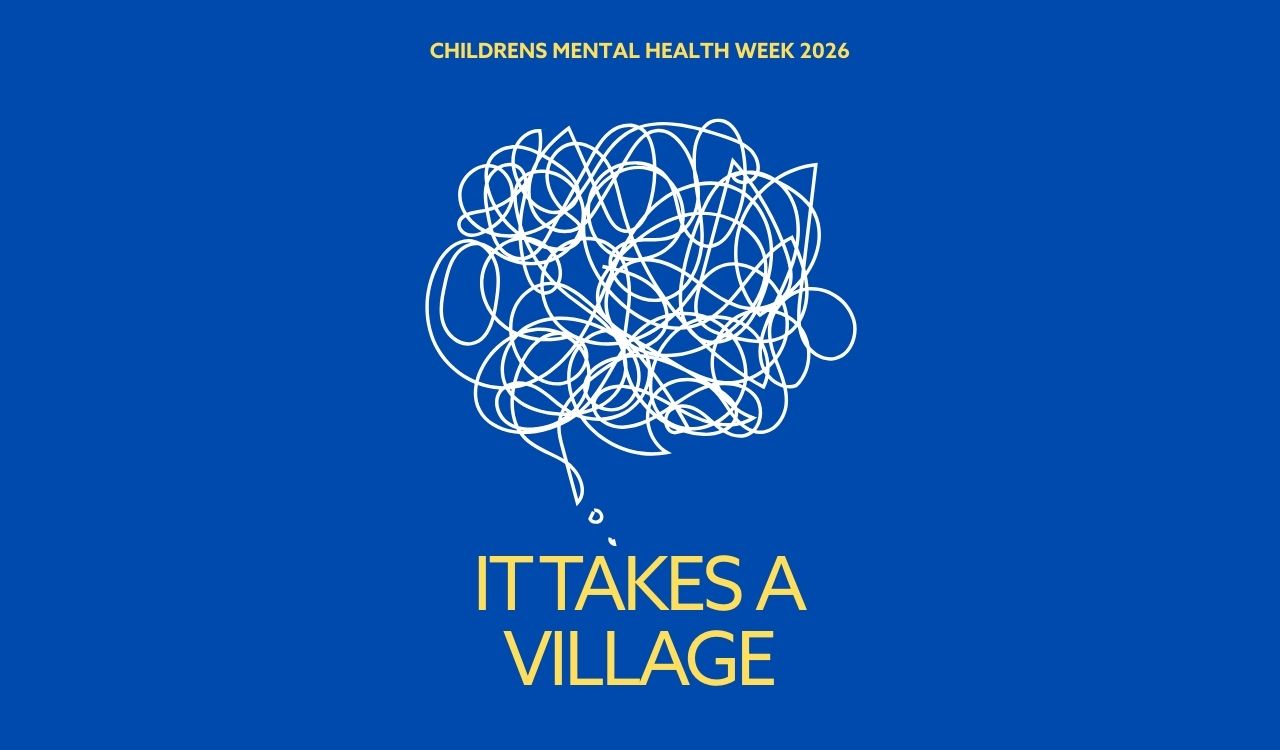
With one in five children and young people experiencing mental health conditions that are likely to continue into adulthood, offering support at an early age is critical. First launched in 2015 by the charity Place2Be, Children’s Mental Health Week, which this year takes place between February 9th and 15th, has focussed on raising awareness of the mental health of children and young people.
This year, the theme of the week is ‘This Is My Place’, aimed at nurturing a sense of belonging as individuals, in friendships, at school and in the community. Engendering this is seen as empowering youngsters as they love through different environments in their life, such as education, employment and relationships.
To better understand the importance of giving youngsters a sense of belonging, Cotswold XL sought out expert advice. We asked Fred Ehresmann, formerly a Senior Lecturer in Mental Health at the University of the West of England and a Registered Mental Health Nurse with over 32 years’ experience of specialising in the mental health of children and young people, for his views on how best to approach the topic.
It takes a village….
“The time-honoured wisdom of the phrase ‘it takes a village to raise a child’ is still as salient as ever”, he says, “and the theme of ‘This Is My Place’ is perfect for everyone thinking about how we can contribute to our youngsters’ mental health”. He continues “a sense of belonging isn’t just a ‘nice extra’ for youngsters, it’s one of the key ingredients that helps the young brain to develop a solid sense of identity. The feeling of belonging isn’t sentimental, it’s neurological”. Stressing the importance of a child needing a secure space, Ehresmann says “when a child experiences this, as in ‘I’m safe here, people here know me and like me, I matter here’, their developing brain and nervous system does what it’s designed to do - learn, play, think, connect, recover. When they feel out of place, all that stops, their stress systems fire up, and their brain does the completely different job of protecting them, which is where we start to see those worrying changes in behaviour. Once the brain switches into that mode, everything gets harder — school, friendships, self-control, sleep, even the ability to take in reassurance from trusted adults”, he says.
The role of parents and carers is paramount, but Ehresmann points out that often it isn’t possible for them alone to give a child a sense of belonging. “Obviously they are key people in a youngster’s life, but even the most connected parent or carer can’t be an entire ecosystem,” he concedes, “which is why it really does actually take some sort of a village to raise a child”.
So, what might this village actually do? Here are Fred Ehresmann’s three top tips for how a community can contribute to looking after the mental health of its youngsters:
1) Be the safe adult that children can bump into
When youngsters have a handful of adults in their world who are informally kind and encouraging, positive social interactions can all help to promote their mental health and keep them going when times are hard for them. Whether it’s the neighbour who smiles and says hello, the receptionist who uses their name, the librarian at school who remembers what they like or the sports coach who notices the child who always hangs back, young human brains learn safety through repetition. Small, friendly interactions, repeated, are tiny signals to their nervous system that let them know ‘you’re not invisible here, this is a safe place, you can grow and learn here’. Playgrounds and skate parks are great – but as far as the developing nervous system is concerned, you can’t beat a smile and a kind word.
2) Make belonging easier than exclusion
Connection really can’t be left to chance. Our youngsters need places where they can belong without having to pass some sort of ‘do you belong here?’ test. Accessible clubs, youth provision that is welcoming and understands what our youngsters need in a crazy world, parks that feel safe, sports that welcome beginners, and creative spaces where just ‘having a go’ is actively encouraged all contribute positively. Deep inside those developing nervous systems, this social connection supports stress regulation. Over time, the brain can start to connect people with safety. These spaces give our youngsters the message that we see them, value them and want them to succeed – what better message for a young brain to be soaking up?
3) Making sure that we treat the ‘edge kids’ as part of the village
Every community has children for whom belonging is harder. The child for whom life is difficult, anxious child, the neurodivergent child, the child in care, the adopted child, the child who’s new, the teen who looks ‘fine’ but isn’t. For these youngsters, inclusion should be more than some slogan fronting up a policy. In truth, it is the measure by which a community defines its cohesion, humanity and sustainability.
Quite often these youngsters might have reached adolescence. A teenager who feels judged, misunderstood and isolated will act like they don’t need anyone. And we all know what that can look like, but a teen who feels valued and respected may still roll their eyes — it’s part of the job description – but they’ll be fine.
In conclusion, Children’s Mental Health Week this year is definitely not about saying that ‘parents should try harder.’ It’s really emphasising that the need is for us to become the kind of community where a youngster’s nervous system can relax and develop some good memories. A village is built out of those small gestures that people make - noticing, welcoming, including, staying calm, making space. If enough of us do those small things, more youngsters will be able to grow up, look back on their childhood and say, “this is my place.”
Based in Bristol, Fred Ehresmann now works independently as a practitioner, trainer, writer, public speaker and researcher. He can be contacted at barefootparent@gmail.com.
https://www.place2be.org.uk/
See Related Articles & Features
.jpg)


issue 29
See Our Latest Issue of the Magazine.
See great content for this months digital magazine.
read now