Cotswolds
Going Out and About – Persons with Disabilities: Breaking Barriers, Embracing Freedom
.jpg)
Freedom
For many of us, heading out for a stroll, running errands, or meeting friends is a simple part of everyday life. Yet, for persons with disabilities (PWDs), these ordinary activities can come with extraordinary challenges. Accessibility, societal attitudes, and infrastructure limitations often turn what should be a simple outing into a daunting task. But change is possible, and already happening in many parts of the world.
The Importance of Mobility and Social Inclusion
Going out isn’t just about physical movement, it's about independence, self-expression, and participation in society. For PWDs, being able to access public spaces, transport, and social venues is essential for mental and emotional well-being. Mobility fosters autonomy, reduces social isolation, and allows individuals to contribute to the community in meaningful ways.
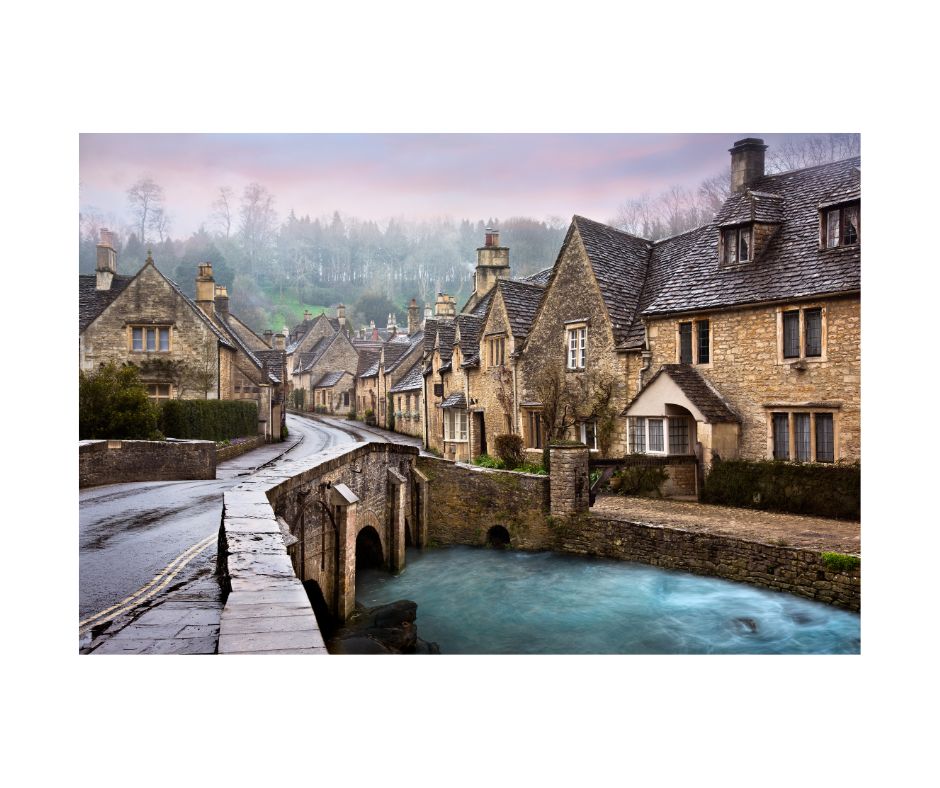
Understanding Accessibility in the Cotswolds
Accessibility in rural areas like the Cotswolds can be a mixed bag. While cobbled streets and historic buildings pose some challenges, many attractions and accommodations are working hard to be inclusive. When planning your trip, it’s important to consider:
- Transport: Accessible public transport is limited, so hiring a car or using adapted taxi services is often the best option.
- Accommodations: Look for hotels or B&Bs that offer wheelchair-accessible rooms, bathrooms with grab rails, and step-free access. Websites often have filters for accessibility.
- Terrain: Many villages have uneven pavements or steep streets, so planning your routes carefully can make a huge difference.
Accessible Attractions
Despite the rural charm, several Cotswolds attractions are accessible:
- Blenheim Palace: Offers wheelchair hire, step-free routes, and accessible toilets. The gardens are partially wheelchair-friendly.
- Cotswold Wildlife Park: Paths are mostly accessible, and wheelchairs are available.
- Sudeley Castle & Gardens: Provides wheelchair access to key areas, including gardens.
- Bourton-on-the-Water: Known as the “Venice of the Cotswolds,” parts of this village are navigable with assistance, though some bridges and cobbled streets may require care.
Exploring the Cotswolds is a delight for anyone, including persons with disabilities. With a bit of planning, you can enjoy historic houses, breathtaking landscapes, and quaint villages without stress. Remember, accessibility isn’t just about mobility, it’s about ensuring that everyone can experience the joy and charm this beautiful region has to offer.
For all the latest on what’s happening in the Cotswolds, check out What’sOn?XL in CotswoldXL Magazine.
See Related Articles & Features



issue 29
See Our Latest Issue of the Magazine.
See great content for this months digital magazine.
read now