Cotswolds
Starry Skies & Night Adventures: Stargazing and Dark-Sky Spots in the Cotswolds
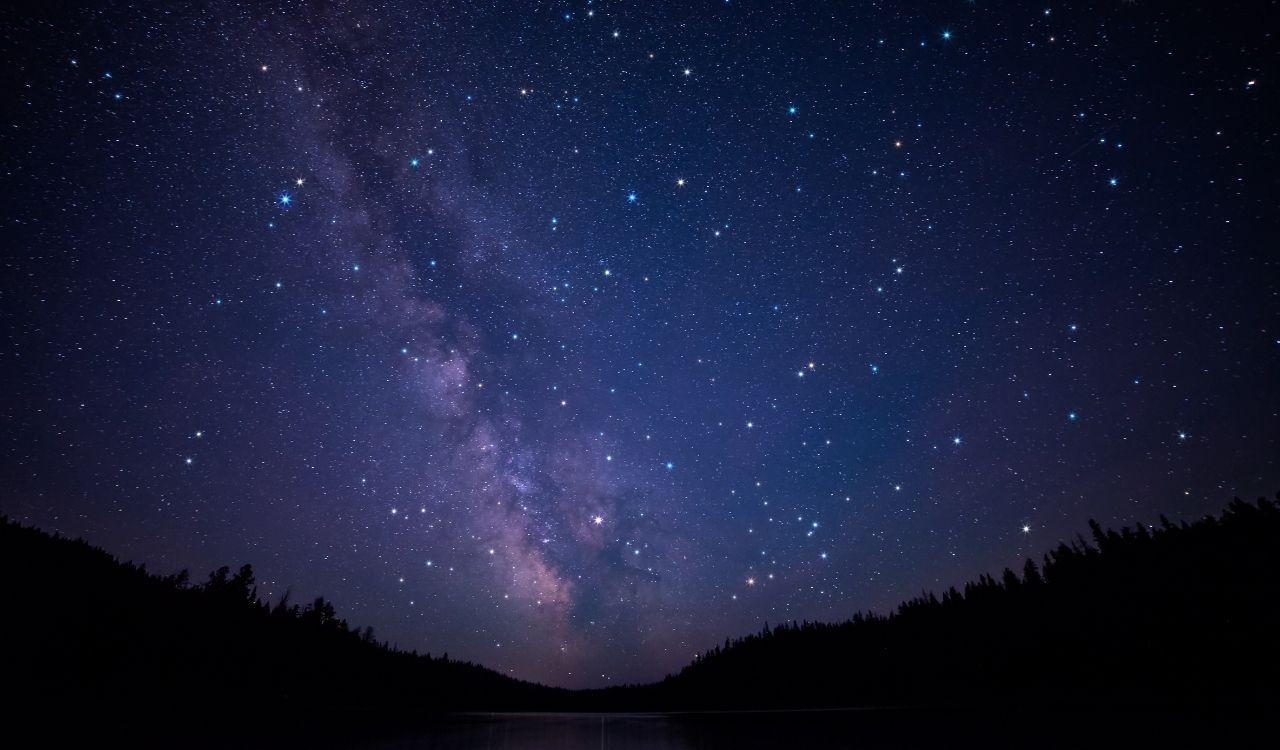
The Cotswolds, with its rolling hills, honey-colored villages, and tranquil countryside, is famous for daytime charm but when the sun sets, it transforms into a haven for stargazers and night adventurers. Away from the hustle of city lights, the region offers some of the UK’s most pristine night skies, perfect for spotting constellations, planets, and even the occasional meteor shower. Here’s your guide to exploring the Cotswolds after dark.
Why the Cotswolds is Perfect for Stargazing
Thanks to its rural landscapes and protected natural areas, the Cotswolds has some of the lowest light pollution levels in southern England. The rolling hills and open fields create unobstructed horizons, allowing the Milky Way to shine brilliantly on clear nights. Whether you’re an amateur stargazer with a pair of binoculars or a seasoned astrophotographer, the region offers breathtaking views.
Dark-Sky Preserves and Best Viewing Spots
Broadway Tower
This iconic folly isn’t just a daytime attraction. At night, the tower offers elevated views of the surrounding hills and skies. On clear nights, it’s one of the best spots to catch a panorama of stars stretching over the Cotswolds.
Rollright Stones
The ancient stone circle near Chipping Norton isn’t just a historical marvel, it’s also a mystical stargazing location. With minimal light interference, this site provides both a sense of history and cosmic wonder.
Cleeve Hill
Standing as the highest point in the Cotswolds, Cleeve Hill gives panoramic views that are unmatched for observing the night sky. Sunset and twilight are especially magical, gradually revealing a tapestry of stars above the horizon.
Tips for a Memorable Night Under the Stars
- Check the Moon Cycle: A new moon provides the darkest skies, ideal for spotting faint stars and the Milky Way.
- Bring Warm Clothing: Even in summer, nights in the Cotswolds can get chilly. Layer up!
- Use Apps or Star Maps: Digital tools like Stellarium or SkySafari can help you identify constellations and planets.
- Respect Nature: Stick to trails and avoid disturbing wildlife. Carry a torch with a red filter to preserve night vision.
- Timing is Everything: Arrive before darkness fully sets in to find the perfect spot and set up your gear.
Photographer’s Guide to Night Photography in the Cotswolds
For photography enthusiasts, the Cotswolds offers endless opportunities to capture the magic of the night sky. Here are some tips:
- Camera Settings: Use a tripod, set a wide aperture (f/2.8–f/4), high ISO (1600–3200), and a shutter speed between 15–30 seconds to capture stars without trails.
- Focus Manually: Autofocus struggles in low light, focus on a bright star or distant light.
- Include Foreground Elements: Incorporate landmarks like Broadway Tower, stone circles, or rolling hills to add depth and context to your shots.
- Plan Your Shots: Apps like PhotoPills or Stellarium help plan Milky Way alignment and timing for the best composition.
- Experiment with Light Painting: Subtle use of a flashlight on trees or buildings can add a magical touch to your photos.
With patience and preparation, you can capture truly breathtaking images of the Cotswolds under the stars.
The Cotswolds’ charm doesn’t fade when the sun sets, it transforms. For those seeking a peaceful escape or an awe-inspiring night under the stars, the region’s dark skies offer a magical experience. Pack a blanket, a telescope if you have one, and you’re in for a night to remember.
For all the latest on what’s happening in the Cotswolds, check out What’sOn?XL in CotswoldXL Magazine.
See Related Articles & Features
.jpg)
.jpg)

issue 29
See Our Latest Issue of the Magazine.
See great content for this months digital magazine.
read now